What is Canadian Cuisine?
What is Canadian Cuisine?
Canada is one of the most culturally diverse nations in the world, with a feast of fare from across the globe, all right here at home.
Canadian cuisine is, in part, defined by what we can cultivate regionally – Pacific salmon, Alberta beef, Quebec maple syrup, and Newfoundland Bakeapples, to name but a few. But it’s also how we prepare and treat our ingredients that differentiate us as a culinary nation.
History, regionality and culture – including our vibrant mosaic of multicultural influences – have all shaped what we eat.
Canadians reported more than 200 ethnic origins in 2011, and each of those backgrounds have shaped our cuisine. Everything from couscous to curry to a cup of tea originated abroad.
And we’re still growing as a nation. As we continue to evolve, so too will our palates and our plates.
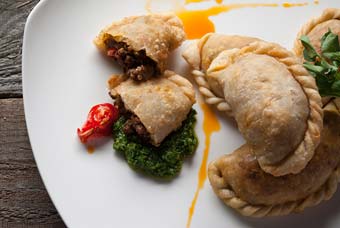
Argentina is a huge verdant country heavily influenced by successive waves of immigration from around the world. Irish, German, Italian, Spanish, Indian and Chinese are but a few of the countries that have brought foodstuffs and cooking techniques to the Argentine shores. However, it is safe to say that Argentinians of all backgrounds love to cook outdoors over wood fires. Great huge fires where all manner of food is charred and grilled. Probably best known for beef, empanada pastries and chimichurri sauce, Argentinian cuisine is diverse and imaginative.

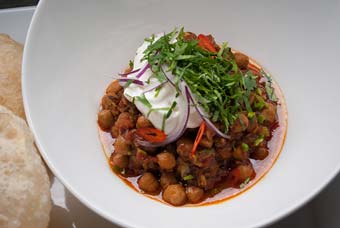
The complexity of flavors that amaze most non-Indians is easy to do at home with a few basic spices added to your home pantry. Curries of course are famous but there’s more to Indian food. Rice is a dominant dish in the south while bread takes the cake in the north.

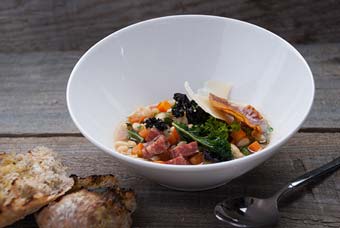
Is there any cuisine more ubiquitous than Italian? From pizza to pasta, everyone has their favorite. Yet most people don’t realize that as a country, Italy is barely older than Canada. Of course, people have been traipsing back and forth across “the boot’ for millennia bringing with them all manner of spices, foodstuffs and cooking techniques. Oh, and the Romans did a fair bit of travelling, picking up culinary influences along the way. Then there was Marco Polo. And while Christopher Columbus got the Spanish to foot the bill for his travels, he came from Genoa. But importing and exporting only explain some of Italy’s wondrous culinary heritage. The rich fertile soil that is Italian terroir has produced some of the most famous ingredients in the world. There are some 20 unique culinary regions each doing their cheeses, sauces, wines, pastas and olive oils in different ways. Someone once said that Italy’s greatest export was Italians because they have fanned out across the world bringing with them a love of food and a passion for cooking.

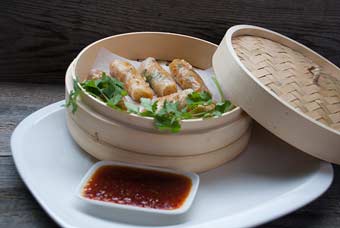
Walk into any grocery store these days and you’ll likely find a fresh sushi counter. Japanese cuisine is all about fresh ingredients prepared simply and elegantly with an eye on presentation. An old Japanese maxim holds that first you eat with your eyes. Rice and soup are central to a Japanese meal but there’s more to the cuisine than artfully arranged fish and simple miso soup. They are experts at grilling and steaming and braising and frying. Only the Japanese would come up with a way of making deep fried food light and delicate; namely tempura. Hotpots are a great way to serve “family style” meals in non-Japanese homes.
Thai cuisine is a delicious push & pull of contrasting flavors, textures and colors. Sweet, sour, salty and spicy are all favored in Thai dishes with a particular emphasis on aroma. Possibly more than any other Asian cuisine, Thai food calls for fresh ingredients prepared simply. Soups, salads, curries and rice dishes are all served “family style” with an eye on presentation. Often people will shy away from preparing Thai at home because of mistaken belief its must be complicated to achieve such a complex balance of flavors. Nothing could be further from the truth and the addition of a few simple ingredients to your pantry will have you cooking Thai in no time.
Canada is one of the most culturally diverse nations in the world, with a feast of fare from across the globe, all right here at home.
One World Kitchen shines a spotlight on five global cuisines – Indian, Thai, Italian, South American and Japanese – that are arguably just as ‘Canadian’ as tourtière and poutine. While the series celebrates each of these distinct heritages, it’s clear that food and cooking share the same family and community values the world over. A vibrant mix of tradition and ingredients creates One World Kitchen.
Just as Canada's culinary scene is a melting pot of flavors, the world of online gaming offers a thrilling blend of excitement and strategy. For those seeking a taste of adventure, the slotoro casino official page provides a gateway to a realm of slots, bonuses, and the chance to hit the jackpot, much like discovering a new favorite dish from a distant land.